Introduction
The global bakery market is a multi-billion-dollar industry, driven by convenience, celebration, and the universal human love for sweet treats. Walk into any modern supermarket, and you will find an array of brightly colored, perfectly iced cakes waiting on the shelves. They are affordable, visually uniform, and designed to last for weeks. Yet, despite their convenience and pristine appearance, there is a distinct, undeniable difference when compared to a cake made by hand in a home kitchen or an artisanal bakery. This culinary disparity is not merely a matter of personal preference; it is rooted in food science, ingredient quality, and the physics of baking. Understanding Why Freshly Baked Cakes Taste Better Than Store-Bought Cakes requires a deep dive into the chemical reactions, shelf-life engineering, and sensory mechanics that separate mass-produced confectionery from fresh culinary art.
In recent years, consumer trends have shifted significantly toward "clean label" products and artisanal craftsmanship. As consumers become more educated about food additives, preservatives, and synthetic ingredients, the demand for authentic, scratch-baked goods has surged. While industrial bakeries have mastered the science of preservation and high-volume output, they have done so at the expense of flavor complexity, crumb texture, and nutritional integrity. To understand why a fresh cake will always reign supreme, we must analyze the structural, chemical, and psychological factors that govern our perception of taste.
The Chemistry of Ingredients: Real vs. Synthetic
The foundation of any exceptional cake lies in its ingredient deck. In home and artisanal baking, the ingredient list is remarkably simple: flour, sugar, butter, eggs, leaveners, and natural flavorings. In contrast, commercial, store-bought cakes rely on a complex matrix of stabilized compounds, synthetic alternatives, and cost-effective substitutes designed to survive rigorous supply chains. This fundamental difference in ingredient quality is the primary reason Why Freshly Baked Cakes Taste Better Than Store-Bought Cakes.
The Role of Fats: Butter vs. Hydrogenated Oils
Fat is the single most important contributor to a cake's mouthfeel, flavor delivery, and moisture retention. In traditional baking, unsalted butter is the gold standard. Butter is a natural emulsion of water (about 16-18%) and milk fat (80-82%). When butter is creamed with sugar, the sharp sugar crystals cut through the fat, creating millions of microscopic air pockets that expand during baking, resulting in a tender, light crumb. Furthermore, butter contains butyric acid and lactones, which volatilize at human body temperature (approximately 37°C or 98.6°F). This means that as soon as a bite of fresh cake enters your mouth, the butter melts completely, releasing rich, complex dairy notes and a clean, non-greasy finish.
Commercial bakeries, however, must prioritize stability and cost. They almost exclusively use highly refined vegetable oils, margarines, or partially hydrogenated shortenings. These fats have a much higher melting point than butter, often exceeding 40°C (104°F). While this prevents the cake from collapsing or melting during transport and storage, it has a disastrous effect on taste and mouthfeel. Because these synthetic fats do not melt at human body temperature, they leave a persistent, waxy, or greasy film on the palate. This film acts as a barrier, coating the taste buds and preventing them from fully registering the cake’s flavors.
Real Vanilla Extract vs. Synthetic Vanillin
Flavor compounds behave differently depending on their source. Natural vanilla extract is derived from the cured pods of the Vanilla planifolia orchid and contains over 250 distinct chemical compounds, including phenols, esters, and alcohols, which contribute to a highly complex, multi-dimensional flavor profile. When a cake is freshly baked using real vanilla, these compounds interact with the heat, creating a warm, rounded aroma and a deep, lingering flavor.
Because natural vanilla is one of the most expensive agricultural products in the world, industrial bakeries substitute it with synthetic vanillin, typically synthesized from lignin (a byproduct of the paper industry) or petrochemicals. Synthetic vanillin contains only a single organic compound (ethyl vanillin or methyl vanillin). While it mimics the primary sweet note of vanilla, it completely lacks the subtle floral, woody, and spicy undertones of the real bean. The result is a flat, one-dimensional sweetness that can taste artificial, chemical, or overwhelmingly sugary.
The Impact of Fresh Eggs and Dairy
Eggs provide structure, leavening, and emulsification in a cake. Freshly cracked eggs contain active, undamaged proteins (such as ovalbumin) and natural lecithin in the yolks, which bind fat and water molecules together into a smooth, stable batter. Fresh milk or buttermilk adds natural acidity, which tenderizes the gluten in the flour, yielding a soft, velvety texture.
To streamline production and eliminate biological contamination risks, commercial factories use pasteurized liquid eggs, dehydrated egg powders, and reconstituted milk solids. The pasteurization and drying processes subject these ingredients to high heat, which denatures the delicate proteins and degrades the natural lipids. Consequently, commercial bakers must add chemical emulsifiers (such as mono- and diglycerides or polysorbate 60) to compensate for the lost structural properties of the processed eggs, leading to a synthetic texture that lacks the natural crumb tenderness of a fresh cake.
The Preservation Paradox: Why Commercial Cakes Last Forever
One of the most telling differences between a fresh cake and a store-bought cake is their shelf life. A freshly baked, homemade cake will begin to dry out within two to three days and may develop mold within a week if not consumed or frozen. A store-bought cake, however, can sit on a supermarket shelf for weeks, or even months, without showing any visible signs of degradation. This indefinite preservation comes at a steep sensory cost.
Understanding Food Additives and Humectants
To prevent staling, commercial cakes are loaded with humectants—substances that attract and retain moisture. Common industrial humectants include propylene glycol, sorbitol, glycerin, and high-fructose corn syrup. While these chemicals successfully keep the cake "soft" to the touch, they alter the physical behavior of water within the cake matrix.
In a freshly baked cake, moisture is bound naturally to the starches and proteins. As the cake ages naturally, this water slowly evaporates or migrates, causing the starch molecules to recrystallize (a process known as starch retrogradation). In a chemically preserved cake, the humectants hold onto the water molecules so tightly that they prevent natural evaporation. However, this chemically bound moisture feels different on the tongue; instead of a tender, melting crumb, the texture can feel dense, gummy, or unnaturally wet, resembling a sponge rather than a delicate baked good.
The Staleness Shield: Preservatives and pH Adjusters
To prevent mold, yeast, and bacterial growth, industrial cakes require chemical preservatives. Potassium sorbate, calcium propionate, and sodium benzoate are standard ingredients in packaged cakes. While these compounds are highly effective at inhibiting microbial life, they carry distinct chemical flavors. To mask the bitter, salty, or metallic off-notes of these preservatives, manufacturers must dramatically increase the sugar content of the cake and use strong, artificial flavorings. This creates a cycle of flavor manipulation that strips the cake of its natural, balanced sweetness and replaces it with a cloying, chemical-heavy taste profile.
The Baking Process: Small-Batch Precision vs. Mass Production
The physics of heat transfer and mixing dynamics play a massive role in the final quality of a cake. The methods used in home kitchens and artisanal bakeries are fundamentally different from the automated, continuous-flow systems used in industrial food manufacturing.
The Aeration Factor: Creaming vs. High-Shear Mixing
In traditional baking, aeration is achieved through mechanical manipulation of natural ingredients. For example, the "creaming method" involves beating butter and sugar together at a moderate speed. The sharp edges of the sugar crystals carve tiny pockets of air into the solid fat. When the cake enters the oven, the carbon dioxide produced by the baking powder, along with steam from the water in the butter, expands these pre-existing air pockets, creating an irregular, tender, and light crumb structure.
Industrial production lines cannot afford the time required for traditional creaming. Instead, they utilize high-shear continuous mixers. All ingredients—including liquid fats, flour, chemical emulsifiers, and water—are dumped into a massive vat and blasted with high-pressure air and rapid mechanical agitation. This forces the ingredients into a highly uniform emulsion in a fraction of the time. However, this high-shear mixing breaks down the flour's starches and proteins prematurely, resulting in a ultra-uniform, rubbery, or spongy crumb that lacks the delicate, melt-in-your-mouth quality of a fresh cake.
Temperature Control and the Maillard Reaction
The Maillard reaction is a chemical reaction between amino acids and reducing sugars that gives browned food its desirable flavor. In a home oven, a cake bakes slowly and evenly. The heat gently penetrates from the outside in, allowing the outer crust to caramelize beautifully and develop rich, nutty, and toasty flavor compounds, while the interior remains moist and tender.
In commercial operations, cakes are baked on massive, continuous steel conveyor belts that pass through tunnel ovens. Because speed is critical to profitability, these ovens operate at highly optimized, rapid temperature zones. The cakes are often baked so quickly that the Maillard reaction is cut short or artificially managed, preventing the deep development of natural crust flavors. To compensate, manufacturers often add artificial caramel colors and flavor enhancers to mimic the appearance and aroma of a slow-baked cake.
The Frosting Frontier: Real Buttercream vs. Whipped Toppings
A cake is only as good as its frosting. For many, the icing is the highlight of the dessert, but it is also where the divide between fresh and commercial baking is most starkly realized. This is a critical element in understanding Why Freshly Baked Cakes Taste Better Than Store-Bought Cakes.
The Science of Real Buttercream
Authentic buttercream (whether American, Swiss, Italian, or French) is made by whipping real butter with sugar, and sometimes egg whites or yolks, until light and airy. Because butter is the primary fat, the frosting inherits butter’s low melting point. When you eat real buttercream, it liquefies almost instantly on the tongue, dispersing its flavors quickly and cleanly. The texture is smooth, velvety, and luxurious, requiring no chemical stabilizers to hold its shape at room temperature.
The Reality of Commercial "Icing"
If you examine the ingredient list on a tub of supermarket cake frosting, you will rarely find the word "butter." Instead, you will see ingredients like high-fructose corn syrup, hydrogenated palm oil, water, mono- and diglycerides, cellulose gum, and artificial colors. This is not buttercream; it is a chemically whipped emulsion of oil and sugar.
Because these industrial icings are formulated with high-melting-point fats, they do not melt cleanly in the mouth. Instead, they leave a thick, greasy, coating on the tongue that blunts your taste receptors. Furthermore, because these frostings contain a high volume of water stabilized by gums, they must be heavily loaded with sugar and artificial flavorings to prevent bacterial growth and maintain shelf stability. This results in an excessively sweet, chemically tasting icing that dominates the cake rather than complementing it.
The Psychological and Sensory Experience of Fresh Baking
Human flavor perception is a complex, multi-sensory experience that involves sight, smell, texture, and even psychology. The experience of eating a freshly baked cake begins long before the first bite is taken, engaging our senses in a way that a plastic-packaged, store-bought cake never can.
Olfactory Stimulation and the Power of Warm Aromas
Our sense of smell is responsible for up to 80% of what we perceive as flavor. When a cake is baking in an oven, it releases volatile organic compounds (VOCs) into the air. These molecules travel through the environment and bind to the olfactory receptors in our nasal cavity, sending direct signals to the limbic system—the part of the brain responsible for memory and emotion. This olfactory stimulation triggers the production of saliva and digestive enzymes, priming our digestive tract and heightening our anticipation.
A store-bought cake, sealed in a hermetic plastic dome, releases no such aromas. By the time it is opened, any volatile flavor compounds that were present during baking have long since dissipated or been trapped inside the packaging, often turning stale or taking on the smell of the plastic container itself. Lacking this olfactory introduction, the sensory experience of eating a store-bought cake is fundamentally diminished.
Visual and Structural Integrity
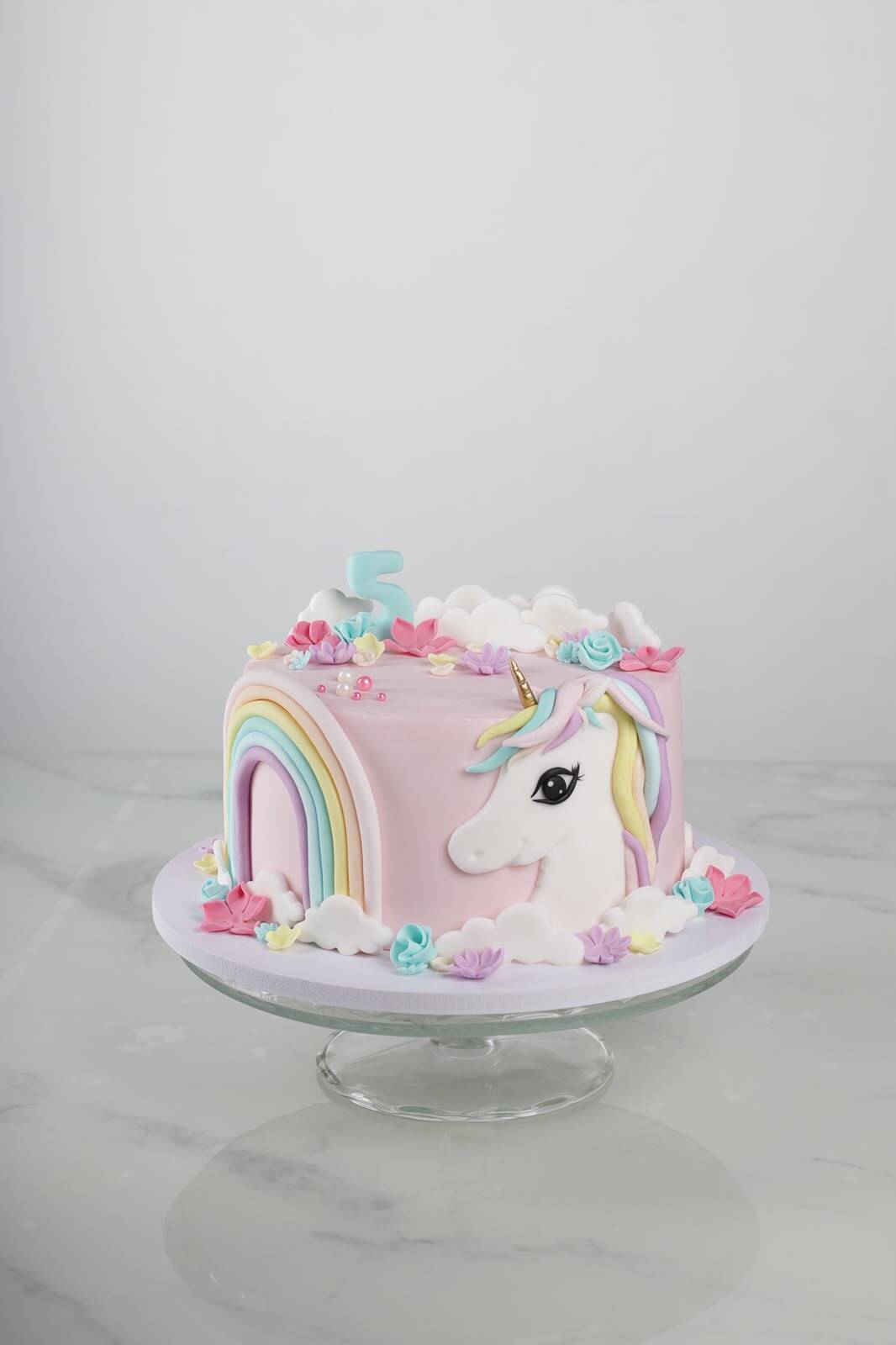
We eat with our eyes first. A freshly baked, hand-decorated cake possesses a unique, organic beauty. It may have slight imperfections, a beautifully rustic crumb texture, or hand-piped details that reflect the care and skill of the baker. These visual cues signal quality and authenticity to our brains, enhancing our psychological enjoyment of the food.
Conversely, store-bought cakes are defined by clinical uniformity. They are often iced by machines or under highly standardized factory conditions, resulting in a sterile appearance. The colors are frequently artificial and intensely bright (using synthetic dyes like Red 40 or Yellow 5), which can subconsciously signal "chemical" rather than "food" to our brains, subtly detracting from the overall eating experience.
Key Takeaways: Freshly Baked vs. Store-Bought
- Ingredient Superiority: Freshly baked cakes use real butter, fresh eggs, and pure vanilla extract, which melt at body temperature and release rich, complex flavor profiles. Store-bought cakes rely on cheap, high-melting-point vegetable oils and synthetic flavorings that leave a greasy residue.
- No Chemical Load: Fresh cakes are free from synthetic preservatives, humectants, and stabilizers like potassium sorbate and propylene glycol, avoiding the metallic off-notes and gummy textures of mass-produced alternatives.
- Traditional Physics: Artisanal baking utilizes gentle creaming methods that trap air naturally, yielding a tender, delicate crumb. Industrial high-shear mixing creates a rubbery, uniform, sponge-like texture.
- Real Buttercream: Authentic frosting made with butter melts instantly in the mouth, whereas store-bought icings are whipped shortenings that coat the tongue and block flavor perception.
- The Sensory Journey: The warm, baking aromas of a fresh cake stimulate the olfactory system and trigger emotional satisfaction, an experience entirely absent with cold, plastic-packaged commercial cakes.
Frequently Asked Questions
Q1: Why do store-bought cakes have a greasy or waxy aftertaste?
Store-bought cakes use hydrogenated vegetable oils, shortening, or palm oil instead of butter. These fats have a melting point higher than human body temperature (37°C). Because they do not melt in your mouth, they leave a persistent, greasy film on your tongue, which dulls your taste buds and blocks the cake's flavors.
Q2: Can you make a boxed cake mix taste like it was freshly baked from scratch?
Yes, you can improve a boxed mix by swapping the low-quality ingredients for premium ones. Substitute the water with whole milk or buttermilk, replace the vegetable oil with melted unsalted butter (and increase the amount by 50%), add an extra egg yolk for richness, and mix in a teaspoon of pure vanilla extract. While this improves the flavor, scratch-baked cakes still have a superior crumb structure due to the absence of industrial emulsifiers in the mix.
Q3: How long do freshly baked cakes stay fresh, and what is the best way to store them?
A freshly baked cake will remain at peak quality for 2 to 3 days at room temperature. To maintain moisture, store the cake under a glass cake dome or wrap it tightly in plastic wrap once it has cooled completely. For longer storage, slice the cake, wrap the individual portions in plastic wrap, and freeze them for up to three months. Avoid refrigerating unfrosted cakes, as the cold environment accelerates starch retrogradation, making the cake dry and stale.
Q4: Why is real vanilla extract so important in scratch baking?
Real vanilla extract contains over 250 organic flavor compounds that create a complex, warm, and rounded taste. Synthetic vanillin, used in store-bought cakes, contains only a single chemical compound, resulting in a flat, artificial, and overly sweet flavor profile that lacks depth.
Q5: Why do commercial cakes look so moist but feel heavy or gummy when eaten?
This is due to chemical humectants like glycerin, sorbitol, and propylene glycol. These additives force the cake to retain water to prevent it from drying out on supermarket shelves. However, because this moisture is chemically bound rather than naturally integrated into the starches, it creates a wet, dense, and gummy texture instead of a light, tender crumb.
Conclusion: Elevating Your Culinary Standards
The culinary divide between freshly baked cakes and store-bought cakes is vast, defined by the laws of organic chemistry, food physics, and sensory biology. While mass-produced cakes offer convenience and an extended shelf life, they achieve this through a heavy reliance on hydrogenated fats, chemical preservatives, synthetic flavorings, and industrial processing techniques. These additives compromise the cake’s texture, mute its flavors, and leave an unpleasant, waxy residue on the palate.
By choosing freshly baked cakes—whether crafted in your own kitchen or sourced from a local artisan bakery—you are choosing real ingredients that work in harmony with your senses. The melt-in-your-mouth luxury of real butter, the complex aroma of pure vanilla, and the delicate, tender crumb of a naturally aerated cake create an incomparable gastronomic experience. Ultimately, understanding Why Freshly Baked Cakes Taste Better Than Store-Bought Cakes allows us to appreciate the craftsmanship of traditional baking and make informed, flavor-first choices for our celebrations, our families, and ourselves.