Introduction
The centerpiece of almost any memorable birthday celebration is the cake. Whether it is a towering multi-tiered custom creation, a delicate artisanal sponge, or a classic homemade chocolate cake, the expectation is always the same: it must look stunning and taste incredibly fresh. However, orchestrating the perfect event often requires picking up or baking the cake one, two, or even three days in advance. This timeline introduces a critical culinary challenge: how do you preserve the moisture, texture, and structural integrity of a premium confection without letting it dry out, melt, or absorb refrigerator odors?
In the modern baking industry, trends have shifted toward complex flavor profiles, delicate crumb structures, and intricate decorating mediums like Swiss meringue buttercream, ganache, and fondant. These elements are highly sensitive to temperature, humidity, and airflow. Understanding How to Keep Your Birthday Cake Fresh Before the Party is not just a matter of convenience; it is an essential skill for ensuring your culinary investment remains a delicious, show-stopping success. This comprehensive guide draws on food science, professional pastry arts, and practical home kitchen solutions to ensure your birthday cake tastes as if it were baked and frosted mere minutes before the first candle is lit.
The Science of Cake Staling: Why Cakes Lose Their Freshness
To effectively preserve a cake, one must first understand what happens to a cake as it ages. Staling is not merely a process of the cake drying out through evaporation; it is a complex chemical transformation known as starch retrogradation.
Starch Retrogradation and Moisture Migration
During the baking process, the starches in the flour gelatinize, absorbing liquid and forming a soft, yielding structure. As soon as the cake begins to cool, this process reverses. The starch molecules slowly realign themselves into a crystalline structure, a process called retrogradation. This recrystallization forces water out of the starch gel and into the surrounding spaces. If the cake is not properly sealed, this migrated moisture evaporates into the air, leaving the cake dry, crumbly, and dense. Interestingly, starch retrogradation occurs most rapidly at temperatures just above freezing (between 32°F and 40°F)—which happens to be the exact temperature range of a standard home refrigerator. Therefore, simply placing an uncovered cake in the fridge can actually accelerate the staling process.
The Role of Fats, Sugars, and Eggs in Moisture Retention
The formulation of the cake plays a major role in its natural shelf life. Sugars are hygroscopic, meaning they naturally attract and bind water molecules, holding moisture within the crumb. Fats, such as butter, oil, or shortening, coat the flour proteins, inhibiting excessive gluten development and creating a barrier that slows down moisture loss. Egg yolks contain lecithin, a natural emulsifier that binds fat and water together, stabilizing the cake's structure and preserving its soft texture. Cakes with high fat and sugar content, such as mud cakes, pound cakes, and oil-based carrot cakes, naturally remain fresh longer than lean, low-fat cakes like sponge or angel food cakes, which rely almost entirely on physical whipping for their structure and contain very little fat to lock in moisture.
How to Keep Your Birthday Cake Fresh Before the Party: Storage by Cake Type
Different styles of cakes require vastly different preservation strategies. Applying the wrong storage method can result in weeping fondant, curdled fillings, or a dry, unappealing crumb. Here is how to handle each major category of birthday cake.
Frosted vs. Unfrosted Cakes
The frosting on a cake does more than just taste good; it acts as a highly effective protective barrier. A fully frosted cake is essentially sealed in a protective envelope of fat and sugar, which prevents moisture from escaping.
- Frosted Cakes: If your cake is fully covered in traditional American buttercream, Swiss meringue buttercream, or chocolate ganache, it can sit at room temperature (around 65°F to 70°F) in a cool, draft-free spot for up to 2 to 3 days. The high sugar and fat content in these frostings acts as a natural preservative. However, you must cover the cake with a cake dome or a large inverted bowl to protect it from dust, pet dander, and airborne particles.
- Unfrosted Cakes (Layers): If you have baked your cake layers ahead of time and plan to frost them later, do not leave them exposed to the air. Once the layers are completely cool, wrap each layer tightly in at least two layers of high-quality plastic wrap. Store them at room temperature for up to 48 hours, or freeze them if you are preparing them further in advance. Wrapping them while slightly warm (but not hot) can trap steam, which can make the cake soggy and promote mold growth; always ensure they are fully cooled to room temp before sealing.
Fondant-Covered Masterpieces
Fondant is a pliable icing made of sugar, water, gelatin, and glycerin. It creates a smooth, porcelain-like finish that is highly sought after for elaborate custom birthday cakes. However, fondant is extremely sensitive to moisture and humidity.
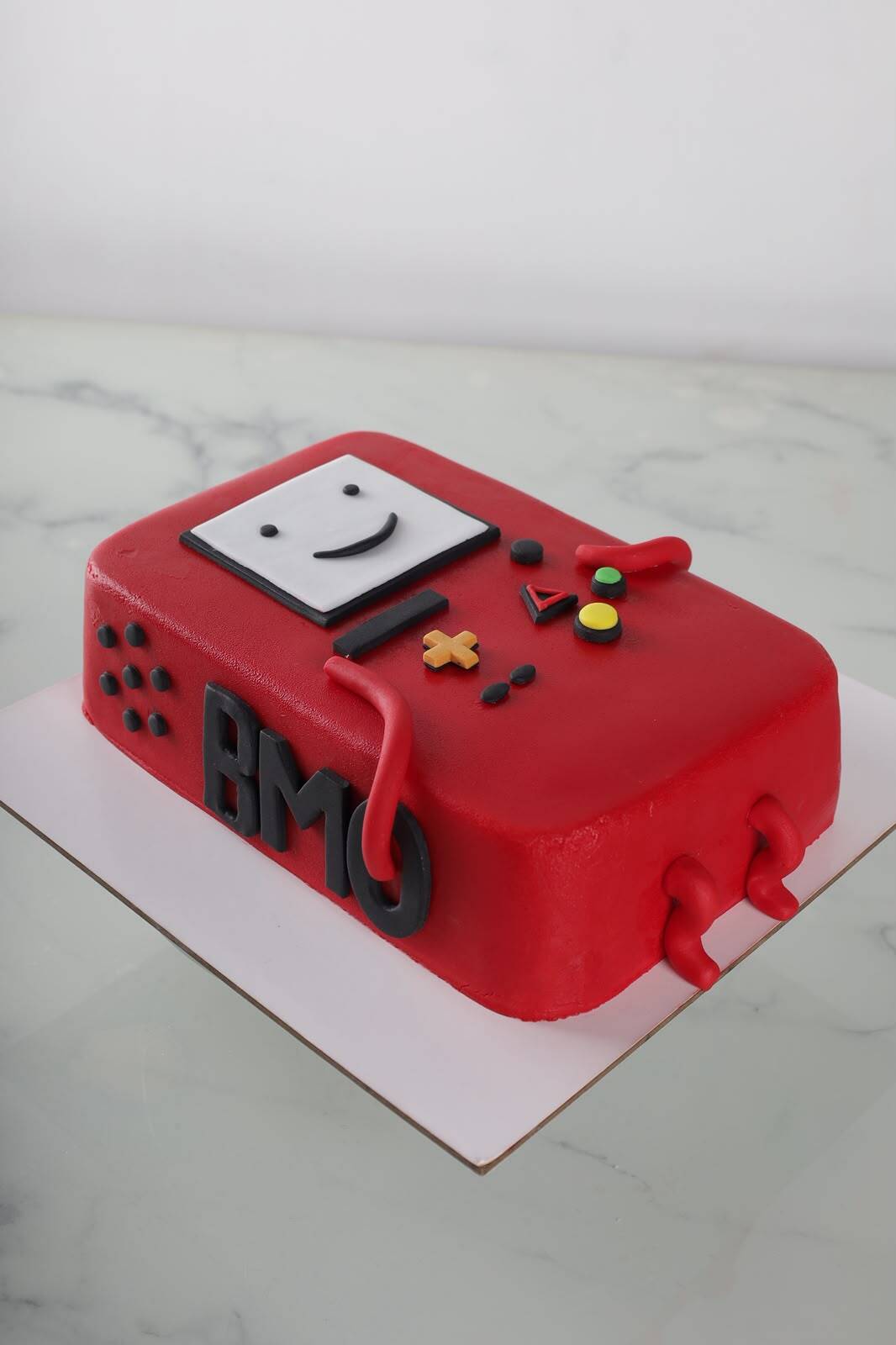
You should never refrigerate a fondant-covered cake unless it contains a perishable filling that absolutely demands it. The cold, humid environment of a refrigerator causes fondant to absorb moisture. When you remove the cake from the refrigerator into room temperature air, condensation will form on the surface, causing the sugar in the fondant to dissolve. This leads to a sticky, "sweating" surface, running colors, and structural sagging. Instead, store fondant cakes in a cool, dark room inside a clean cardboard bakery box. The cardboard allows the cake to breathe while protecting it from light, which can fade vibrant food colorings.
Custard, Fruit, and Cream-Filled Cakes
Cakes that feature fresh fruit, pastry cream, lemon curd, cream cheese frosting, or whipped cream fillings are classified as perishable. These ingredients provide an ideal environment for bacterial growth if left at room temperature.
For these cakes, refrigeration is non-negotiable. To keep a perishable birthday cake fresh, store it in the refrigerator. However, to combat the drying effects of the refrigerator's evaporator coil, you must protect the cake. If the cake is fully frosted, the frosting will offer some protection, but you should still place the cake inside an airtight cake carrier or a cardboard box wrapped in plastic wrap to minimize airflow and prevent the cake from absorbing odors from surrounding food items like onions, garlic, or leftovers.
To Refrigerate or Not? The Temperature Dilemma
Deciding where to store your cake is one of the most critical steps in learning How to Keep Your Birthday Cake Fresh Before the Party. Let's break down the optimal environmental conditions for various storage zones.
When the Countertop is Best
For the vast majority of standard cakes frosted with buttercream or ganache, the countertop is the superior storage location. Room temperature storage preserves the delicate, melt-in-your-mouth texture of butter-based cakes. When butter-based cakes are refrigerated, the butter in the crumb solidifies, making the cake taste dense, hard, and dry. Keeping the cake at a moderate room temperature ensures the fats remain soft, yielding a tender crumb. Always choose a spot away from direct sunlight, heating vents, stoves, and humid areas like the dishwasher.
When Refrigeration is Non-Negotiable
Refrigeration becomes necessary under specific conditions:
- Perishable Ingredients: As mentioned, any cake containing cream cheese, fresh dairy cream, custard, mousse, or fresh fruit must be refrigerated to meet food safety standards.
- Warm Climates: If your home does not have air conditioning and the ambient room temperature exceeds 75°F, buttercream frostings will begin to soften, slide, or melt. In this scenario, the refrigerator is the safest option to maintain the cake's structural integrity.
- Extended Prep Time: If you must store a fully assembled cake for more than 3 days before the event, refrigeration is required to slow down mold growth and spoilage.
Pro-Tip: If you must refrigerate your cake, always remove it from the refrigerator at least 2 hours before serving. This allows the cake and the buttercream frosting to return to room temperature, restoring the soft texture and full flavor profile.
The Freezer Method for Long-Term Prep
If you are baking your cake more than three days in advance, the freezer is your best friend. Freezing halts the staling process entirely. In fact, professional bakers routinely freeze cake layers because it locks in moisture and makes the layers firmer and easier to level, stack, and frost.
To freeze unfrosted cake layers, wrap each layer tightly in two layers of plastic wrap, followed by a layer of heavy-duty aluminum foil to prevent freezer burn. To freeze a fully frosted cake, place the uncovered cake in the freezer for 1 to 2 hours until the frosting is frozen solid. Once firm, wrap the entire cake carefully in plastic wrap, followed by foil. When it is time to defrost, transfer the wrapped cake to the refrigerator 24 hours before the party, leaving the wrapping on. This allows any condensation to form on the outside of the plastic wrap rather than on the cake itself.
Advanced Protective Packaging Techniques
How you wrap and package your cake is just as important as the temperature at which you store it. Proper packaging acts as a physical barrier against air, dust, and odors.
The Plastic Wrap Shield
For unfrosted cakes, plastic wrap is the industry standard. The key is to ensure an airtight seal. Press the plastic wrap directly against the surface of the cake layer to eliminate air pockets. If you are storing a cut cake (a cake that has already been sliced), you can press a piece of plastic wrap directly against the exposed cake crumb to prevent it from drying out, while leaving the frosted parts uncovered.
Using Cake Domes and Airtight Containers
A high-quality cake carrier or dome is an invaluable investment for anyone hosting a party. A heavy glass or plastic dome creates a micro-climate around the cake, maintaining a stable level of humidity and preventing dry air currents from stripping moisture from the frosting. If you do not own a cake dome, you can use a large, clean plastic storage bin inverted over the cake plate, or even a clean, brand-new cardboard box wrapped in plastic wrap to seal the seams.
The Bread Slice Trick: A Baker's Secret
If you have a sliced or exposed cake and want to keep the cut edges from drying out, you can use an old-fashioned baker’s trick. Secure a slice of plain white sandwich bread against the exposed cake cut using toothpicks. The cake will draw moisture from the bread slice, keeping the cake crumb incredibly soft while the bread slice becomes dry and stale. When you are ready to serve, simply discard the bread slice and enjoy a perfectly moist cake edge.
Timeline and Transport: From Prep to Party
Managing the timeline leading up to the celebration is crucial for ensuring peak freshness. Here is a professional timeline to guide your preparation.
The 48-Hour Countdown Timeline
To achieve the absolute best results, structure your baking and assembly schedule using this step-by-step timeline:
- 48 Hours Before: Bake your cake layers. Allow them to cool completely. Wrap them tightly in plastic wrap and store them at room temperature. Prepare your buttercreams, curds, or fillings, and store them in airtight containers in the refrigerator.
- 24 Hours Before: Bring your buttercreams to room temperature and re-whip them to restore their smooth texture. Assemble, crumb coat, and final-frost your cake. Once decorated, store the cake in a cool room under a cake dome, or in the refrigerator if using perishable fillings.
- Day of the Party (4-6 Hours Before): If the cake was refrigerated, bring it out to the counter to let it acclimate to room temp. If it is a fondant cake, keep it in a cool, dry room. Add any delicate, non-edible decorations, fresh flowers, or toppers at this stage.
- Party Time: Slice, serve, and enjoy!
Safe Transportation Best Practices
Many cake disasters happen during transit. To ensure your fresh cake arrives in pristine condition, keep these transport rules in mind:
First, never place a cake on a car seat. Car seats are slanted, which can cause the cake layers to slide or the box to tilt, ruining the design. Instead, place the cake box on a flat surface, such as the floorboards of the front passenger seat or the flat cargo area of an SUV. Place a non-slip drawer liner or yoga mat under the cake box to prevent it from sliding. Turn your car's air conditioning on high at least 5 minutes before bringing the cake inside to ensure the interior is cool, especially during summer months. Drive slowly, taking turns gently and avoiding sudden stops.
Key Takeaways for Pristine Birthday Cakes
- Match storage to ingredients: Buttercream and ganache cakes thrive at room temperature; cream cheese, custard, and fruit-filled cakes require refrigeration.
- Avoid exposing fondant to moisture: Never refrigerate fondant-covered cakes unless absolutely necessary, as humidity causes sweating and structural failure.
- Prevent refrigerator staling: If you must refrigerate, protect the cake by storing it in an airtight container or a wrapped cardboard box to block dry air and odors.
- Freeze for long-term storage: Wrap unfrosted layers in plastic wrap and foil to freeze them for weeks without losing quality.
- Always serve at room temperature: Allow refrigerated cakes to warm up on the counter for 2 hours before serving to restore their soft, buttery texture.
- Protect cut edges: Use plastic wrap or the "bread slice trick" to seal exposed cake surfaces and prevent dry, stale edges.
Frequently Asked Questions
Can I store a birthday cake in a cardboard bakery box in the fridge?
While you can place a cardboard box in the fridge, cardboard is porous and will not protect the cake from the drying effects of the refrigerator's evaporator coil or from absorbing ambient odors. If you must use a cardboard box in the fridge, wrap the entire outside of the box securely in plastic wrap to seal it.
How long can a buttercream cake sit out before the party?
A cake frosted in traditional buttercream (made with butter and powdered sugar) can safely sit out at room temperature (under 70°F) for up to 3 days, provided it is kept under a protective dome away from direct sunlight and heat sources.
Why did my refrigerated cake taste dry and hard?
This happens because the butter and fats in the cake and frosting solidify at cold temperatures, and the refrigerator's low humidity accelerates starch retrogradation. To fix this, always let the cake sit at room temperature for 2 hours before serving so the fats can soften back to their intended texture.
Can I freeze a fully decorated birthday cake?
Yes, fully decorated buttercream and ganache cakes freeze beautifully. Place the cake uncovered in the freezer for 2 hours to freeze the decorations solid, then wrap it tightly in plastic wrap and foil. Thaw it slowly in the refrigerator 24 hours before serving, keeping the wrapping on during the thawing process.
How do I keep fresh fruit toppings on a cake from spoiling?
Fresh fruit toppings should be added as close to party time as possible. If you must add them ahead of time, the cake must be refrigerated. To prevent the fruit from drying out or looking dull, you can brush them lightly with a clear glaze made of melted apricot jam or simple syrup.
Conclusion
Preserving the beauty, texture, and flavor of a birthday cake requires a thoughtful blend of food science, proper environmental control, and strategic planning. By understanding how different ingredients react to temperature and humidity, you can confidently choose the best storage method—whether it is the cool safety of your kitchen counter, the protective chill of the refrigerator, or the long-term preservation of the freezer. Implementing these professional techniques ensures that when the candles are finally lit and the cake is sliced, every guest enjoys a moist, delicious, and pristine slice of celebration. Armed with this knowledge of How to Keep Your Birthday Cake Fresh Before the Party, you can focus on enjoying the festivities, knowing your culinary centerpiece is in perfect hands.