Introduction
Planning a wedding is a journey of a thousand decisions, ranging from the selection of the perfect venue to the curation of a customized musical playlist. Among these choices, few are as sensory, delightful, and visually impactful as designing your wedding cake. Historically, the wedding cake served as a symbol of good fortune, fertility, and social status. Today, it remains the focal point of the reception, acting as a culinary centerpiece that reflects the couple's personal style. However, beyond choosing flavors like red velvet, salted caramel, or classic vanilla bean, couples must navigate a complex logistical and aesthetic question: How Many Tiers Should Your Wedding Cake Have?
In the modern wedding industry, cake design has evolved from standard, cookie-cutter structures into an architectural art form. Current trends show a fascinating split. On one hand, the rise of micro-weddings and elopements has popularized intimate, single-tier, and two-tier minimalist cakes. On the other hand, maximalist, high-drama luxury weddings demand towering five- to eight-tier masterpieces adorned with intricate sugar flowers, bas-relief plaster effects, and hand-painted details. Determining the ideal number of tiers for your own celebration requires a careful balance of guest count, dessert portions, venue dimensions, budget limits, and design goals. This comprehensive guide will analyze every factor involved, helping you make an informed decision that satisfies both your eyes and your appetite.
The Mathematics of Cake Tiers: Guest Count vs. Serving Sizes
The most practical starting point for deciding how many tiers your cake should have is your final guest count. To ensure every guest receives a slice, you must understand how professional bakers calculate servings. Wedding cake portions are traditionally smaller than standard party cake portions. A standard wedding cake slice is typically cut to the dimensions of 1 inch wide, 2 inches deep, and about 4 to 6 inches tall. This is often referred to as a "wedding portion" or "catering portion." In contrast, a "party portion" is larger—usually 1.5 inches wide by 2 inches deep—which will naturally yield fewer servings from the same size cake.
Standard Tier Sizes and Servings
To visualize how tiers translate into servings, it is helpful to look at the industry-standard yield for round cake tiers. Most wedding cakes are constructed using tiers that decrease by two inches in diameter as they go up (for example, a classic configuration is 10-inch, 8-inch, and 6-inch tiers). Assuming each tier is a standard 4 to 5 inches tall, here is a general breakdown of servings per tier size:
- 6-inch tier: Yields approximately 10 to 12 wedding servings.
- 8-inch tier: Yields approximately 20 to 24 wedding servings.
- 10-inch tier: Yields approximately 35 to 38 wedding servings.
- 12-inch tier: Yields approximately 50 to 56 wedding servings.
- 14-inch tier: Yields approximately 75 to 78 wedding servings.
- 16-inch tier: Yields approximately 100 wedding servings.
By combining these standard sizes, bakers can create multi-tiered configurations tailored to your guest list. For example, a standard three-tier cake consisting of 6-inch, 8-inch, and 10-inch layers will yield roughly 65 to 74 servings. If your guest list is closer to 150, you will need to scale up to a four-tier cake (such as 6, 8, 10, and 12 inches) to comfortably serve everyone.
The Math Formula for Your Guest List
When calculating your tier requirements, you should not assume that every single invited guest will eat cake. Industry standard suggests catering cake for approximately 80% to 90% of your final guest count, especially if you are serving other desserts, hosting a late-night food station, or offering a rich, multi-course meal beforehand. However, if your cake is the primary dessert, or if you plan to save the top tier for your first anniversary (a classic tradition), you must adjust your calculations.
If you choose to preserve the top 6-inch tier, you must subtract its 12 servings from your total yield. For instance, if you have 100 guests and want to save the top tier, your remaining tiers must provide at least 100 servings. In this scenario, a three-tier cake of 6, 8, and 10 inches (yielding ~74 total servings) will not be enough once the top tier is removed. You would need to upgrade to a larger three-tier configuration, such as 8, 10, and 12 inches, which yields around 100 to 110 servings excluding the top tier.
Deconstructing Tier Configurations: From Single to Grand
To help you visualize your options and answer the question, "How Many Tiers Should Your Wedding Cake Have?", let's look at the most common tier configurations, their visual impact, and their ideal guest capacities.
Single-Tier Wedding Cakes (For Micro-Weddings & Elopements)
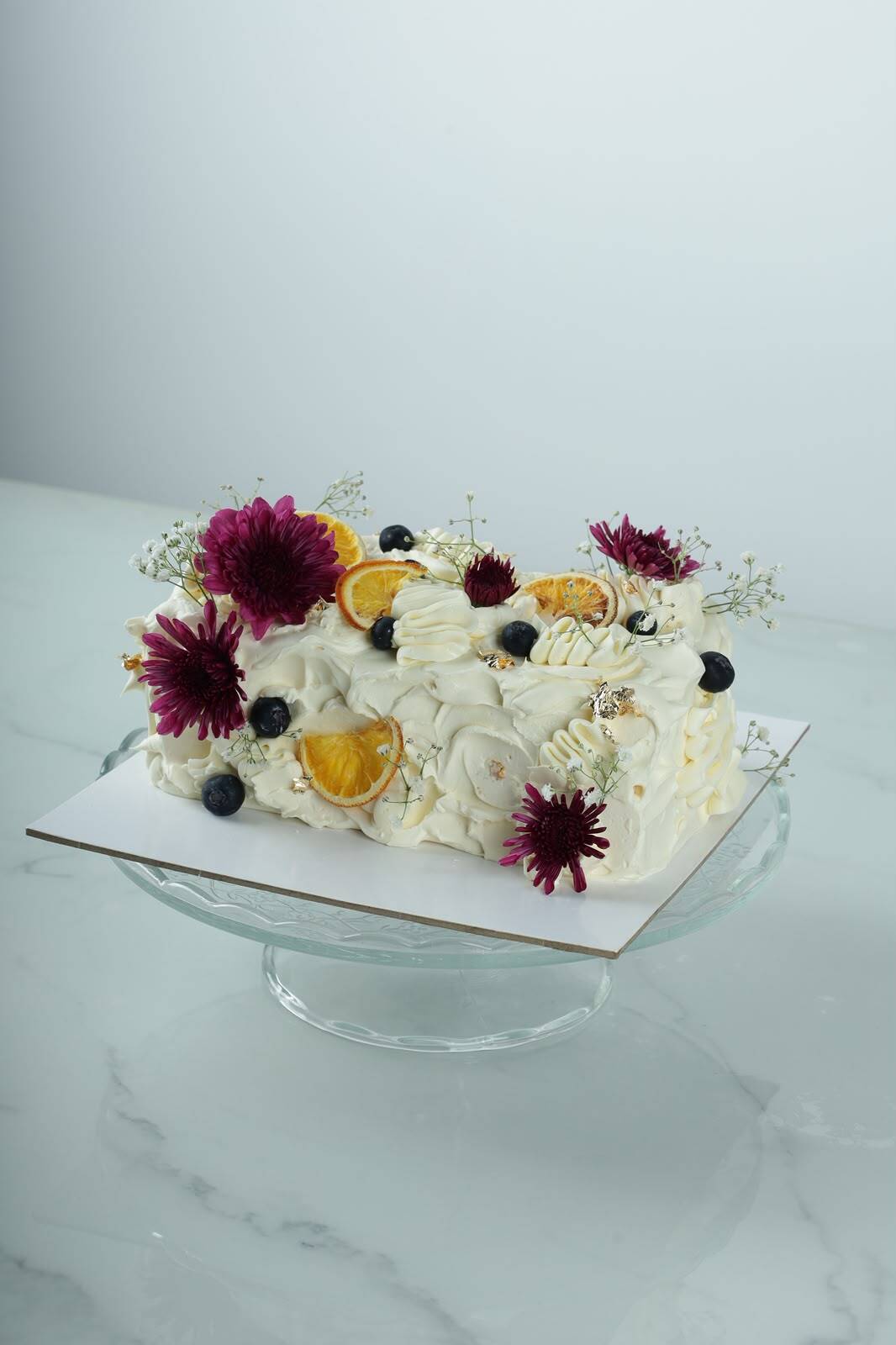
Once considered unusual for weddings, the single-tier cake has enjoyed a major revival. Typically 8 or 10 inches in diameter, a single-tier cake is the perfect choice for intimate elopements, micro-weddings of under 20 guests, or couples who prefer a dessert table featuring a variety of sweets like macarons, tarts, and cupcakes. To give a single-tier cake more presence, bakers often create "double-barrel" or "extra-tall" single tiers, which stand 7 to 8 inches tall and feature internal structural supports. This creates a modern, sleek silhouette that photographs beautifully while keeping portion sizes manageable.
Two-Tier Wedding Cakes (Intimate Gatherings)
A two-tier cake, typically combining a 6-inch tier on top of an 8-inch or 9-inch base, yields between 30 and 50 servings. This configuration is highly popular for second weddings, rehearsal dinners, and intimate celebrations of 30 to 60 guests. Two-tier cakes offer a wonderful canvas for design without looking overwhelming. They are also highly practical for couples on a budget, as they are easier to transport and require less structural engineering than taller cakes, which helps keep labor costs down.
Three-Tier Wedding Cakes (The Classic Standard)
The three-tier cake is the quintessential wedding cake configuration, chosen by a majority of couples worldwide. Typically configured as 6-inch, 8-inch, and 10-inch layers (serving 70 to 80 guests) or 6-inch, 9-inch, and 12-inch layers (serving 100 to 120 guests), this design offers classic proportions. It is visually balanced, tall enough to command attention in a reception room, and provides plenty of space for creative cake artistry—such as cascading floral arrangements, texture transitions, or elegant color gradients. If your guest count falls between 70 and 130, a three-tier cake is almost always the ideal choice.
Four-Tier Wedding Cakes and Beyond (Grand Celebrations)
For weddings with 150 to 300+ guests, a four-tier or five-tier cake becomes a necessity if you plan to feed everyone from the display cake. A classic four-tier configuration (6, 8, 10, and 12 inches) serves around 130 to 150 guests, while a five-tier cake (4, 6, 8, 10, and 12 inches, or 6, 8, 10, 12, and 14 inches) can easily serve 180 to 250 guests. These larger cakes are statement pieces. They require professional delivery, on-site assembly, and careful internal support. They are ideal for grand ballrooms, historic estates, and venues with high ceilings, where a smaller cake would simply get lost in the space.
Aesthetic and Venue Dynamics: Scaling Your Cake to the Room
While guest count is a practical way to determine cake size, aesthetics and venue scale are equally important. Your wedding cake does not exist in a vacuum; it is displayed within a specific architectural environment. A cake that is mathematically perfect for your guest count might look disappointingly small in a grand room, or unnecessarily massive in a cozy rustic barn.
Ceiling Height and Reception Scale
When deciding how many tiers your wedding cake should have, look at the physical attributes of your reception venue. If you are hosting your reception in a grand ballroom with 20-foot ceilings, a small two-tier or three-tier cake will look dwarfed by the scale of the room. To create visual balance, you need height. In these spaces, a five-tier cake—or a four-tier cake elevated on an ornate, tall cake stand—helps draw the eye upward and matches the grandeur of the architecture.
Conversely, if your reception is in an intimate restaurant private dining room, a historic cottage, or an outdoor tent with low draped ceilings, a massive six-tier cake can feel imposing and out of place. In these settings, a beautifully designed two-tier or three-tier cake feels cohesive, elegant, and perfectly scaled to its surroundings.
Cake Stand and Table Styling Tricks
If your budget or guest count calls for a smaller cake, but you want the visual impact of a taller one, you can use styling techniques to create the illusion of height. Placing a three-tier cake on a tall pedestal stand can add 6 to 10 inches of height instantly. Surrounding the base of the cake stand with lush, elevated floral wreaths or displaying the cake on a dedicated table with dramatic spotlighting can also make a modest cake look much grander and more intentional.
The Financial Impact: How Tier Count Affects Your Budget
It is no secret that wedding cakes can be a significant investment, often ranging from a few hundred to several thousand dollars. When budgeting, it is important to understand that the number of tiers has a direct impact on the final price—though perhaps not in the way you might expect.
Labor, Structure, and Transportation Costs
In professional cake design, you are not just paying for flour, sugar, and butter; you are paying for time, expertise, and structural materials. Every additional tier requires its own supportive cake board, internal dowels, and precise leveling. Stacking a multi-tiered cake is a high-stress, high-skill task. If a cake is not engineered correctly, it can lean, sag, or collapse under its own weight.
Furthermore, as the number of tiers increases, so does the complexity of transportation. A simple two-tier cake can often be transported fully assembled in a specialized cooling box. A five-tier cake, however, is incredibly heavy and fragile. It often must be transported in separate sections and assembled on-site at the venue by the head baker. This on-site assembly requires travel time, delivery fees, and setup labor, which will be reflected in your final invoice.
Cost-Effective Alternatives: Dummy Tiers and Sheet Cakes
If you want the dramatic look of a five-tier cake but only have 80 guests, you do not have to pay for—or waste—massive amounts of cake. Experienced cake designers often use "dummy tiers" (also known as faux tiers). These are styrofoam rounds carved to match standard cake sizes, which are then covered in real fondant, buttercream, and decorations alongside the real cake layers. When executed correctly, a dummy tier is completely indistinguishable from a real cake tier. This allows you to have a grand, towering cake display at a fraction of the cost of real cake layers, while avoiding food waste.
Alternatively, if you have a massive guest list of 250 people but prefer the clean, simple look of a three-tier cake, you can supplement your display cake with "kitchen cakes" or sheet cakes. Your baker can create simple, undecorated sheet cakes in the same flavors as your display cake. These sheet cakes remain in the kitchen, where catering staff slice them out of sight and serve them to guests. This approach gives you the exact aesthetic you want for your display cake while keeping your budget under control, as sheet cakes are far less labor-intensive to produce.
Logistics and Structural Engineering of Multi-Tiered Cakes
To fully appreciate what goes into deciding the number of tiers for your cake, it is helpful to understand the structural engineering required to keep these edible towers standing. Gravity is a constant challenge for cake designers, especially when dealing with soft fillings like fruit compotes, mousses, or lightweight buttercreams.
Doweling and Support Systems
A multi-tiered cake is not simply stacked one layer on top of another. If you placed an 8-inch cake directly on a 10-inch cake without support, the top cake would slowly sink into the bottom cake, causing the sides to bulge and blow out. To prevent this, bakers use support systems:
- Cake Boards: Each individual tier sits on its own rigid cardboard or plastic cake board, which is cut to the exact diameter of that tier.
- Vertical Dowels: Before stacking, the baker inserts wooden dowels, plastic straws, or specialized acrylic pillars vertically into the lower tier. These dowels are cut flush with the top of the icing. When the next tier is placed on top, its cake board rests directly on these dowels, transferring all the weight down to the cake board below and ultimately to the heavy wooden base board at the bottom of the cake.
- Central Dowel: For cakes with three or more tiers, bakers often drive a long, sharpened wooden or metal dowel straight down through the center of all the tiers and into the bottom base board. This prevents the tiers from sliding horizontally during transport or if the cake table is accidentally bumped.
Environmental Factors: Temperature and Transport
The stability of your cake tiers is also heavily influenced by your wedding venue's climate. If you are planning an outdoor summer wedding in a warm or humid climate, buttercream can melt, and fondant can sag or "sweat." In these conditions, a tall, heavy multi-tiered cake is at higher risk of structural failure. Your baker may recommend limiting the cake to two or three tiers, choosing a more stable icing style, or keeping the cake in a climate-controlled room until just before the cutting ceremony.
Key Takeaways
To help simplify your planning process, here is a summary of the key factors to consider when deciding how many tiers your wedding cake should have:
- Let Guest Count Drive the Portions: Base your tier calculations on standard wedding portions (1" x 2" slices) and aim to serve 80% to 90% of your guest list.
- Match the Venue's Scale: Choose your tier count to fit the architecture of your reception space. High ceilings call for taller cakes, while intimate spaces suit smaller configurations.
- Account for Saved Tiers: If you plan to save the top tier for your first anniversary, subtract its servings from your total count and adjust your lower tier sizes accordingly.
- Utilize Dummy Tiers for Height: Use faux styrofoam tiers to achieve a grand, multi-tiered look without paying for extra cake or wasting food.
- Supplement with Sheet Cakes: If you have a large guest list but prefer a smaller display cake, use undecorated kitchen sheet cakes to feed the majority of your guests.
- Consider Environmental Factors: Hot, humid weather can compromise the structure of tall cakes. Keep climate in mind when planning your design and setup logistics.
Frequently Asked Questions
How many tiers do I need for 100 guests?
For 100 guests, a standard three-tier cake is the most popular and practical option. A configuration of 6-inch, 8-inch, and 10-inch tiers yields approximately 70 to 75 servings, which works well if you are serving other desserts. If your cake is the sole dessert, or if you want to save the top tier for your anniversary, you should choose a larger three-tier configuration like 6-inch, 9-inch, and 12-inch tiers, which yields about 100 to 110 servings.
Can you have fake tiers on a wedding cake?
Yes, you absolutely can. Fake tiers (often called dummy tiers) are made of styrofoam and decorated with real icing and decorations so they blend in seamlessly with the real cake layers. This is a highly effective way to add height and visual drama to your cake design without creating excess food waste or paying for unnecessary servings of real cake.
Is it cheaper to have more tiers or a larger sheet cake?
It is almost always more cost-effective to have a smaller, beautifully decorated display cake (such as a two-tier or three-tier) and supplement it with undecorated kitchen sheet cakes. Sheet cakes require far less labor, decoration, and structural engineering, allowing you to feed a large crowd while keeping your overall wedding cake budget under control.
Do you count the top tier in the guest serving count?
This depends entirely on your plans. Historically, couples save the top tier of their wedding cake, freeze it, and eat it together on their first wedding anniversary. If you plan to follow this tradition, you must exclude the top tier (typically a 6-inch round, which serves 10 to 12 people) from your guest serving calculations. If you do not plan to save it, you can include it in your serving count.
What are the standard heights for individual cake tiers?
A standard wedding cake tier is typically between 4 and 5 inches tall, consisting of three to four layers of sponge cake with filling in between. However, modern designs often feature "double-barrel" or "extra-tall" tiers, which can stand 6 to 8 inches tall. Mixing different tier heights within a single cake is a popular way to create a contemporary, custom look.
Conclusion
Ultimately, deciding how many tiers your wedding cake should have is a highly personal choice that balances practical logistics with your creative vision. Whether you choose a chic, single-tier design for an intimate celebration or a towering, five-tier masterpiece that serves as a grand focal point, the key is to collaborate closely with an experienced professional cake designer. A skilled baker will help you navigate the math of serving sizes, evaluate your venue's space, and design a structurally sound cake that looks stunning and tastes incredible. By keeping these factors in mind, you can ensure your wedding cake is a beautiful, delicious reflection of your unique love story.