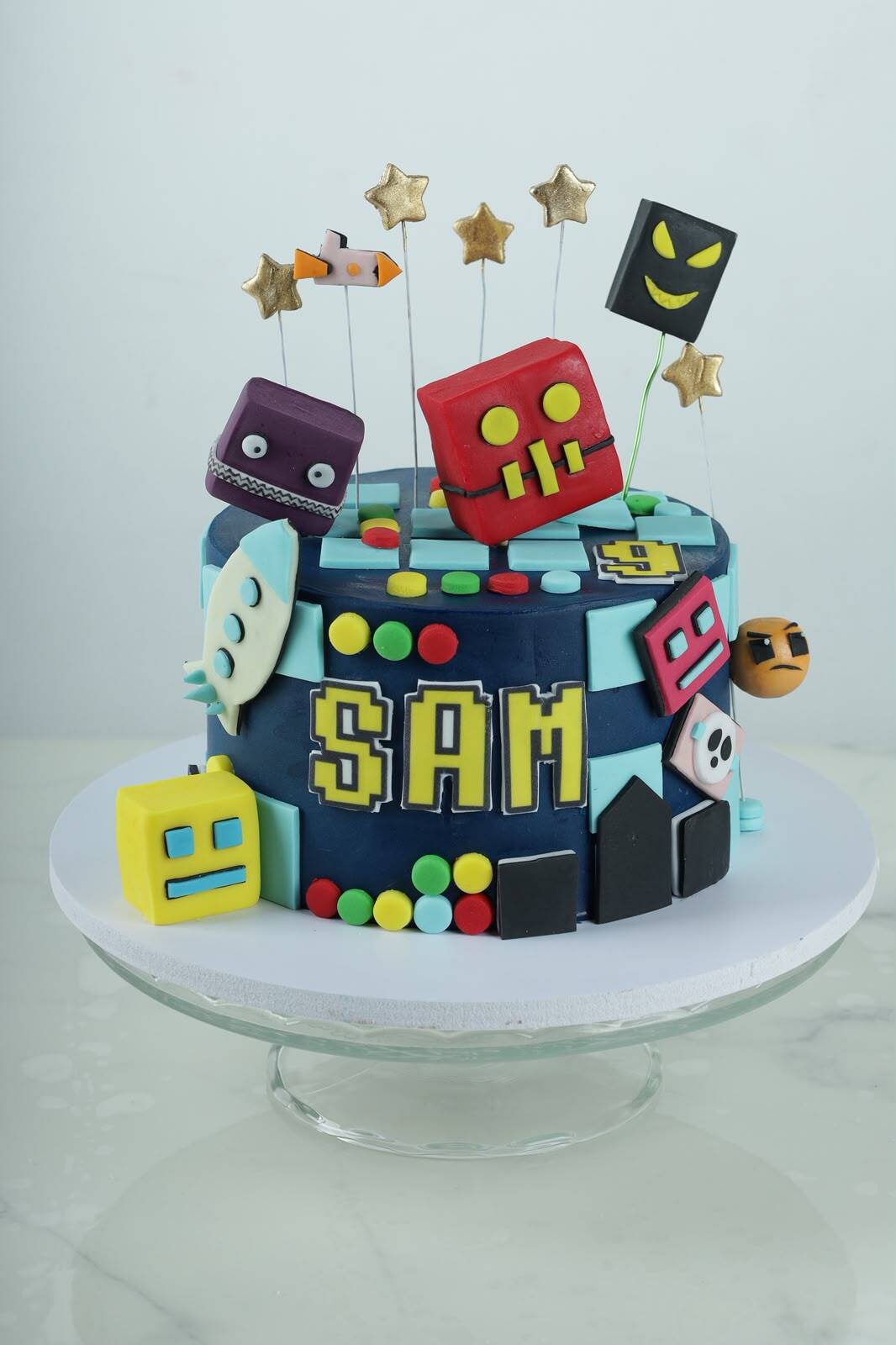
A custom cake is much more than a delicious dessert—it's a personalized work of art that reflects a special occasion, a unique personality, or a memorable milestone. Whether it's for a birthday, wedding, anniversary, baby shower, or corporate event, every custom cake begins with an idea and ends as a handcrafted masterpiece.
Unlike ready-made cakes displayed in a bakery window, custom cakes are designed specifically for each customer. Every detail, from the flavor and filling to the colors and decorations, is carefully planned and created from scratch. Understanding this creative process can help you appreciate the craftsmanship behind every slice.
It All Starts with an Idea
Every custom cake begins with inspiration. Sometimes customers already have a clear vision, while others simply share a theme or occasion and rely on the bakery's creativity.
Some common sources of inspiration include:
- Birthday party themes
- Favorite colors
- Hobbies and interests
- Wedding décor
- Company branding
- Seasonal celebrations
- Children's favorite characters
- Elegant floral designs
At this stage, the cake designer gathers information about the event, including the guest count, venue, preferred style, and budget.
Understanding the Customer's Vision
Before any baking begins, professional cake designers spend time understanding exactly what the customer wants.
Important details often include:
- Event date
- Cake size
- Number of servings
- Flavor preferences
- Color palette
- Decorative style
- Dietary requirements
- Delivery location
The more information shared, the easier it becomes to transform an idea into a beautiful cake that matches the celebration perfectly.
Sketching the Design
Once the concept is finalized, many cake designers create a rough sketch of the finished cake.
This planning stage helps determine:
- Number of tiers
- Placement of decorations
- Color combinations
- Decorative textures
- Cake proportions
- Support structures
Sketching allows both the bakery and customer to visualize the final design before production begins.
Choosing the Perfect Flavors
A beautiful cake should taste just as impressive as it looks.
Customers typically choose combinations of sponge, filling, and frosting that suit both their personal preferences and the occasion.
Popular sponge flavors include:
- Vanilla
- Chocolate
- Red Velvet
- Lemon
- Pistachio
- Coffee
- Marble
- Funfetti
Popular fillings often include:
- Chocolate ganache
- Buttercream
- Fresh fruit
- Salted caramel
- Cream cheese frosting
- Lotus Biscoff
- Raspberry
- Oreo cream
Professional bakeries recommend flavor combinations that complement one another rather than compete.
Baking Fresh from Scratch
One of the biggest differences between custom cakes and mass-produced cakes is freshness.
Professional bakeries prepare each cake specifically for the order using carefully measured ingredients.
Fresh ingredients typically include:
- Premium flour
- Farm-fresh eggs
- Real butter
- Fresh cream
- High-quality chocolate
- Pure vanilla
- Seasonal fruits
Each cake layer is baked individually to ensure consistent texture and even baking.
Fresh baking not only improves flavor but also provides a softer crumb and richer taste.
Cooling and Leveling
After baking, patience becomes essential.
Cake layers must cool completely before any decorating begins.
If warm layers are frosted too early, the frosting may melt, causing the cake to lose its structure.
Once cooled, each layer is carefully leveled to create perfectly flat surfaces.
This step ensures that stacked cakes remain stable and visually balanced.
Filling and Stacking
Next comes the filling process.
Each cake layer is assembled with carefully measured fillings to maintain both flavor and structural integrity.
Professional bakers evenly spread fillings before stacking each layer to create a smooth, stable cake.
Support dowels may be added for taller cakes or multiple tiers to ensure they remain secure during transport.
Applying the Crumb Coat
Before the final decoration begins, bakers apply a thin layer of frosting known as the crumb coat.
This important step serves several purposes:
- Seals loose cake crumbs
- Creates a smooth surface
- Helps the final frosting adhere evenly
- Improves the cake's overall appearance
The cake is then chilled so the crumb coat can firm up before additional decorating continues.
Covering the Cake
Depending on the chosen design, the cake is finished using buttercream or fondant.
Buttercream Finish
Buttercream creates a soft, elegant appearance and works beautifully for:
- Rustic celebrations
- Floral cakes
- Minimalist designs
- Vintage piping
- Semi-naked cakes
Buttercream is loved for its rich flavor and creamy texture.
Fondant Finish
Fondant provides a perfectly smooth surface that allows decorators to create highly detailed designs.
Fondant is ideal for:
- Character cakes
- Sculpted cakes
- Luxury wedding cakes
- Corporate logo cakes
- Geometric patterns
Its flexibility allows designers to create clean lines and intricate decorative elements.
Handcrafting Every Decoration
This is where creativity truly comes to life.
Rather than relying on mass-produced decorations, many professional cake artists create decorations by hand.
Common handcrafted decorations include:
- Sugar flowers
- Fondant figurines
- Edible bows
- Gold accents
- Buttercream flowers
- Edible lace
- Chocolate decorations
- Personalized name plaques
Depending on the complexity, some decorative pieces require several days to complete before being placed on the cake.
Adding Personalized Details
Personalization is what transforms a beautiful cake into a meaningful one.
Customers often request:
- Names
- Ages
- Initials
- Company logos
- Sports equipment
- Musical instruments
- Pets
- Career-related decorations
- Favorite hobbies
These custom elements ensure that no two cakes are exactly alike.
Quality Checks Before Delivery
Before leaving the bakery, every custom cake undergoes careful inspection.
Designers examine:
- Smoothness of frosting
- Color consistency
- Decoration placement
- Structural stability
- Writing accuracy
- Overall presentation
This final review helps ensure the cake matches the approved design and arrives ready for the celebration.
Safe Packaging and Transportation
Even the most beautiful cake can be damaged during transportation if not properly secured.
Professional bakeries use sturdy cake boxes, non-slip bases, and protective supports to minimize movement during delivery.
For larger tiered cakes, final assembly may even take place at the event venue to ensure maximum stability.
Proper transportation helps preserve the cake's appearance until it's time for the celebration.
Why Handmade Cakes Stand Out
Every custom cake represents hours of planning, baking, decorating, and artistic craftsmanship.
Unlike factory-produced desserts, handmade cakes offer:
- Personalized designs
- Freshly baked layers
- Premium ingredients
- Attention to detail
- Creative artistry
- Unique flavor combinations
- Memorable presentation
Each cake is made specifically for one customer, making it a truly one-of-a-kind creation.
Final Thoughts
Designing a custom cake from scratch is a detailed process that combines culinary skill with artistic creativity. From the initial consultation and flavor selection to baking, decorating, and adding personalized finishing touches, every stage is carefully planned to create something both beautiful and delicious.
Whether you're celebrating a birthday, wedding, anniversary, graduation, or corporate milestone, a custom cake tells a story that no off-the-shelf dessert can match. By starting with fresh ingredients and handcrafted details, professional cake designers transform simple ideas into edible centerpieces that leave lasting impressions on both guests and the guest of honor.